
The Story Behind Ebell Lofts, Long Beach’s Historic Treasure
The Story Behind Ebell Lofts, Long Beach’s Historic Treasure
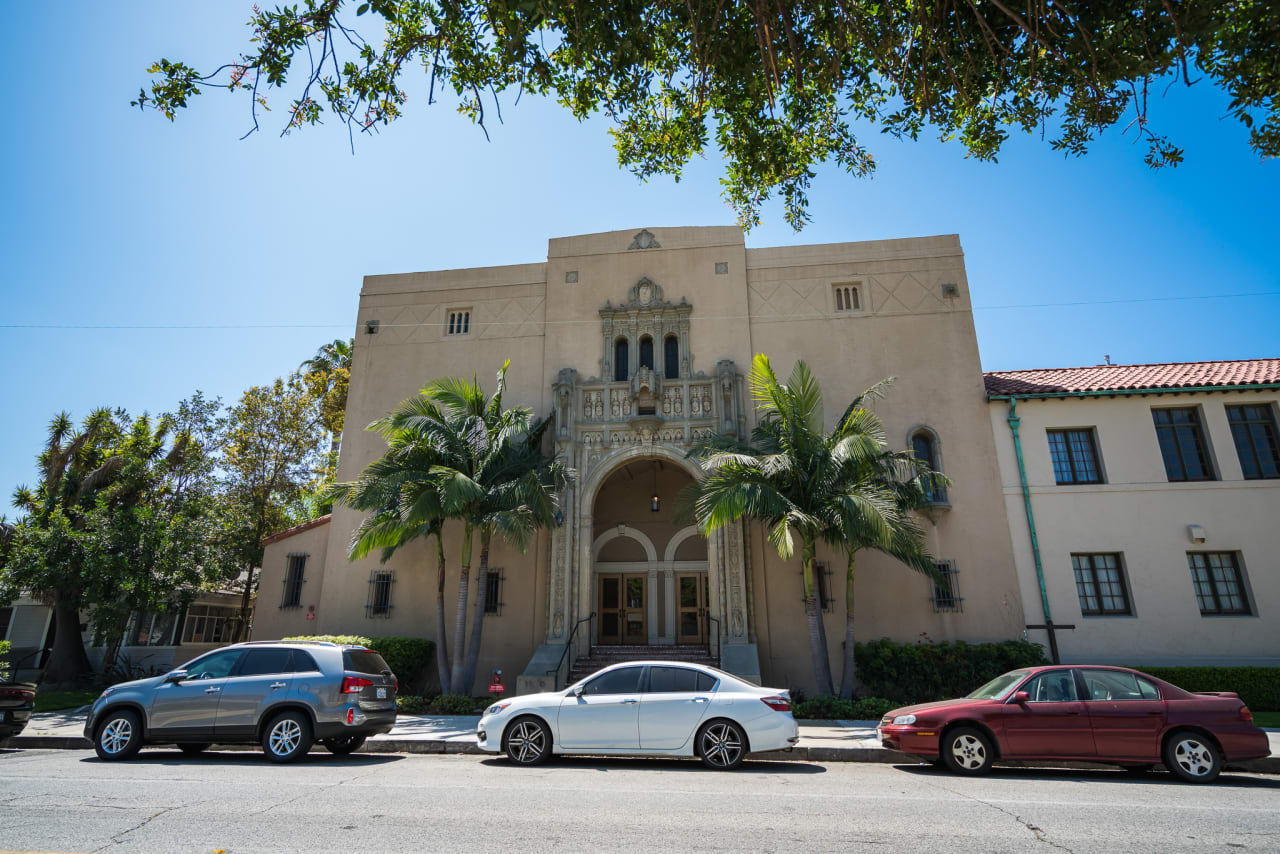
If walls could talk, the building at 1100 E 3rd Street in Long Beach, California, would have an extraordinary tale to tell. Today known as Ebell Lofts, this landmark combines century-old cultural history with modern urban living in one of Long Beach’s most desirable neighborhoods.
A Cultural Hub Begins
The story begins with the Long Beach Ebell Club, established in 1896 as part of a broader movement of women’s clubs focused on cultural enrichment and community service. These clubs were inspired by the Ebell Society, a movement founded in 1876 to advance women’s educational and cultural pursuits. The Long Beach chapter became one of the most influential civic institutions of its time. (Wikipedia)
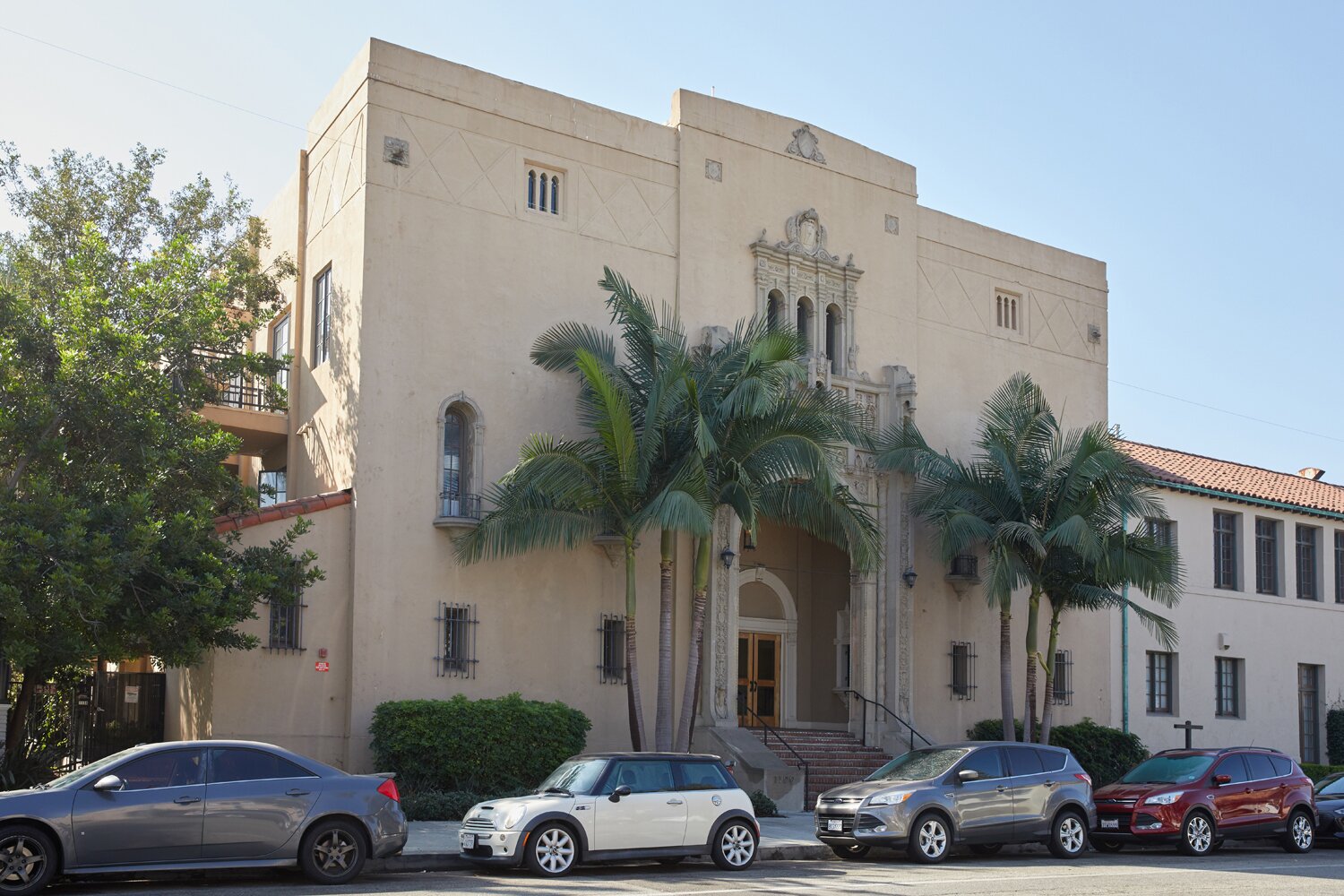
In the early 1920s, the club commissioned a new building to replace its original clubhouse. What was constructed became one of the most striking examples of Spanish Revival architecture in the city. This building opened on March 9, 1925, as a multi-use facility with a theatre, meeting rooms, library, and other spaces designed for community involvement. (losangelestheatres.blogspot.com)
Theatre and Civic Life
Originally called Hoyt’s Ebell Theatre, the building’s theatre seated more than 1,000 people and played both silent and later sound films. It also hosted live stage presentations, civic gatherings, and a variety of cultural events. The theatre was leased for commercial film showings, making it a vibrant entertainment destination in Downtown Long Beach. (losangelestheatres.blogspot.com)
The architecture of the building reflected its ambitions. Costly and elaborate construction embraced the Churrigueresque style, a sculptural interpretation of Spanish Baroque that creates dramatic light and shadow through ornate façade detailing. This level of craftsmanship was deliberate, meant to match the institution’s cultural stature and Long Beach’s growing prominence in Southern California. (losangelestheatres.blogspot.com)
Surviving the 1933 Earthquake
On March 10, 1933, Long Beach was struck by a powerful earthquake that damaged many structures across the city. Although the Ebell Theatre was affected, the building endured and reopened later that year in December following restoration work. Its survival helped preserve not only the architecture but the role of the building as a community landmark. (losangelestheatres.blogspot.com)
Over the next several decades, the venue underwent several name changes, including “Metro Ebell Theatre,” and continued serving as a commercial cinema into the mid-20th century. It also hosted art house showings, music events and local social functions well into the 1990s. (losangelestheatres.blogspot.com)
From Theatre to Loft Living
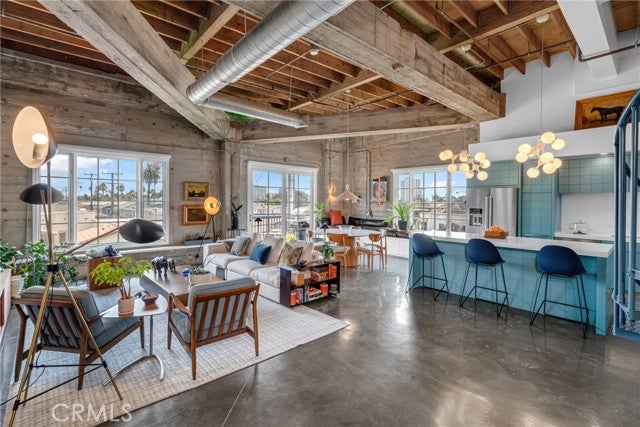
By the early 2000s, changes in entertainment and urban development led to a transformative chapter in the building’s life. The theatre closed as a cinema and, through a thoughtful adaptive reuse project, the entire structure was converted into 11 unique residential lofts. This conversion preserved the building’s historic exterior while adapting its interior for contemporary living.
Each loft is distinctive in layout and character, with units ranging roughly from 1,200 to over 2,200 square feet. Some retain architectural nods to the building’s theatrical past, like open structural volumes or spaces that once served as projection booths. (Cinema Treasures)
Today, Ebell Lofts stands as a vivid example of adaptive reuse, keeping historic character alive in a form that supports vibrant urban life.

Clean Historical Timeline
1896, Long Beach Ebell Club founded
1919, original Ocean Blvd clubhouse retired
1924, new building constructed
March 9, 1925, Hoyt’s Ebell Theatre opens
1933, damaged in earthquake, reopens December 4
1940s, art house era
1950s, commercial film operations wind down
1990s, event and occasional film use continues
2000, converted to loft condominiums
2004, major restoration completed
The Legacy Today
The building maintains its architectural presence as a landmark in Long Beach’s Alamitos Beach neighborhood. Nearby, the adjacent Ebell Club event space continues to serve the community as a venue for weddings, celebrations, and cultural gatherings, ensuring that the legacy of the Ebell name lives on in multiple forms. (Long Beach Post)
Residents and visitors alike see this building not only as a home but as a piece of living history. Its combination of ornate historic design, cultural significance, and modern residential use makes it a truly singular address in Southern California real estate.
If you are interested in learning more about this building or would like to potentially own a loft unit in this historical building, reach out to me! (714) 656-6325
Ruben Sanchez
REALTOR®
(714) 656-6325
DRE 02091617
ΓEA⅃ Broker

Categories
Recent Posts









GET MORE INFORMATION